
Byzygisk
Smart Security System: A Complete Guide to Features, Benefits, Components, and Best Practices
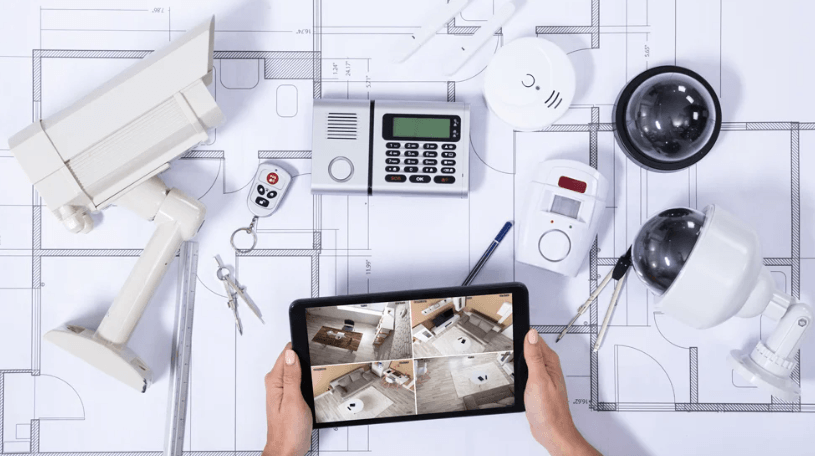
A smart security system is a connected home or business protection solution that combines multiple security devices, such as cameras, sensors, alarms, smart locks, and mobile applications, into a single, integrated system. Unlike traditional security systems, smart security systems provide real-time monitoring, remote access, instant notifications, and automation to help users protect their property more effectively.
As smart home technology continues to evolve, smart security systems have become a popular choice for homeowners, renters, and businesses seeking improved safety and convenience. This guide explains what a smart security system is, how it works, its key features, benefits, applications, challenges, and best practices.
What Is a Smart Security System?
Definition of a Smart Security System
A smart security system is a network of internet-connected security devices that work together to monitor and protect a property. Users can control and monitor the system through a smartphone app, web interface, or compatible smart home platform.
These systems are designed to detect security events, notify users, and automate responses when certain conditions are met.
How Does a Smart Security System Work?
Connected Security Devices
Multiple devices communicate with a central hub or directly through a wireless network, depending on the system design.
Sensors and Detection
Motion sensors, door and window sensors, glass-break sensors, and other detectors monitor activity throughout the property.
Real-Time Alerts
When a security event occurs, the system can send notifications to authorized users through a mobile application.
Remote Monitoring
Users can view security cameras, check device status, and control system settings from virtually anywhere with an internet connection.
Automation
The system can perform automated actions, such as activating lights, locking doors, or sounding an alarm when specific events occur.
Components of a Smart Security System
Security Cameras
Monitor indoor and outdoor areas with live video and recorded footage.
Smart Door Locks
Provide keyless entry and allow remote locking and unlocking.
Motion Sensors
Detect movement within designated areas of the property.
Door and Window Sensors
Alert users when doors or windows are opened unexpectedly.
Smart Alarm Sirens
Produce audible alerts during security events to notify occupants and discourage unauthorized access.
Smart Lighting
Automatically illuminate areas when motion is detected or according to scheduled routines.
Central Hub
Coordinates communication between compatible security devices and automation features.
Key Features of a Smart Security System
Mobile App Control
Manage the entire security system from a smartphone or tablet.
Real-Time Notifications
Receive immediate alerts about motion, door activity, or other security events.
Live Video Monitoring
Watch live camera feeds from compatible security cameras.
Automation and Routines
Create rules that automatically control lights, locks, cameras, and alarms.
Remote Access
Arm, disarm, or monitor the system from almost anywhere.
User Management
Provide different access permissions for family members or authorized users.
Smart Home Integration
Connect with compatible smart home devices to create a unified home automation experience.
Benefits of a Smart Security System
Enhanced Property Protection
Monitor multiple areas of your home or business with connected security devices.
Greater Convenience
Control security features remotely through a single application.
Faster Awareness
Receive instant alerts when unusual activity is detected.
Flexible Expansion
Add compatible devices as your security needs grow.
Peace of Mind
Monitor your property whether you are at home, at work, or traveling.
Applications of Smart Security Systems
Residential Homes
Protect families, entrances, garages, and outdoor areas.
Apartments
Enhance security with smart locks, cameras, and sensors.
Vacation Properties
Monitor seasonal homes remotely throughout the year.
Small Businesses
Secure offices, retail stores, and storage areas.
Warehouses
Monitor inventory areas and entry points.
Educational Facilities
Improve awareness of building access and security events.
Challenges of Smart Security Systems
Internet Dependence
Many remote monitoring and cloud-based features require a reliable internet connection.
Device Compatibility
Not every security device is compatible with every smart security platform.
Initial Setup
Installing and configuring multiple devices may require time and planning.
Privacy Considerations
Users should carefully manage recordings, account security, and camera placement.
Tips for Choosing a Smart Security System
Identify Your Security Needs
Determine which areas of your property require monitoring and protection.
Check Device Compatibility
Choose a system that supports the devices you plan to use.
Consider Expandability
Select a platform that allows you to add cameras, sensors, and other devices over time.
Evaluate Mobile App Features
Look for reliable remote monitoring, notifications, and device management.
Review Storage Options
Compare local and cloud storage solutions for security camera recordings.
Compare Security Features
Look for encrypted communication, account protection, and regular software updates.
Best Practices for Using a Smart Security System
Secure Your Account
Use strong passwords and enable multi-factor authentication whenever possible.
Keep Software Updated
Install firmware and application updates to improve performance and security.
Test Your Devices
Regularly verify that cameras, sensors, alarms, and locks are functioning properly.
Configure Smart Notifications
Adjust notification settings to reduce unnecessary alerts while staying informed about important events.
Maintain Equipment
Replace batteries when needed, clean camera lenses, and inspect sensors periodically.
Advantages of Smart Security Systems
Centralized Security Management
Control multiple security devices from one interface.
Remote Monitoring
Access cameras and system controls from virtually anywhere.
Flexible Automation
Create routines that improve both convenience and security.
Scalable Protection
Expand the system as your property or security requirements change.
Frequently Asked Questions
What is a smart security system?
A smart security system is a network of connected devices that helps monitor and protect a home or business through remote access, automation, and real-time notifications.
Can I monitor my smart security system remotely?
Yes. Most internet-connected systems allow users to monitor cameras, receive alerts, and manage devices through a mobile application.
Does a smart security system require Wi-Fi?
Many smart security features, including remote access and cloud services, rely on Wi-Fi or another internet connection. Some local functions may continue to operate without internet access, depending on the system.
Can I add more devices later?
Many smart security systems are designed to support additional compatible cameras, sensors, locks, and other smart devices as your needs grow.
Are smart security systems suitable for apartments?
Yes. Many systems include wireless devices that are easy to install and are well suited for apartments and rental properties.
Conclusion
A smart security system combines connected devices, automation, and remote monitoring to provide comprehensive protection for homes and businesses. By integrating cameras, sensors, smart locks, alarms, and mobile applications, these systems improve security awareness while offering greater convenience and flexibility. Choosing compatible devices, keeping software updated, and following recommended security practices can help you build a reliable smart security solution that adapts to your property’s changing needs.
